
Unlocking MSME Potential in the Digital Economy

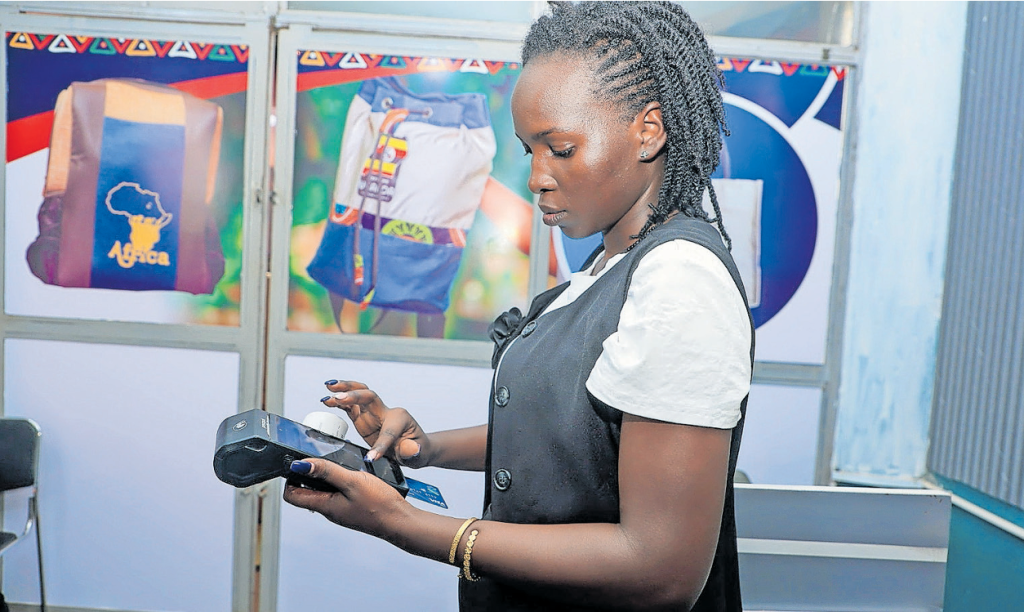
Uganda’s micro, small and medium enterprises (MSMEs) account for over 90 percent of private-sector enterprises and employ millions of people. Despite their pivotal role, many of these businesses face significant barriers to growth, particularly in accessing digital credit and fully leveraging the benefits of the digital economy.
While digital finance promises inclusion and growth, too many small businesses remain locked out of digital credit.
At Outbox, Richard Zulu, the Team Principal, says the challenge is visible every day, but so is the progress that becomes possible when the right support is in place.
Barriers to Accessing Digital Credit
One of the major barriers preventing MSMEs from accessing digital credit is the lack of verifiable financial records, which many financial service providers require for lending decisions.
In the case of digital credit, this includes mobile money and airtime transaction histories, which many micro and small businesses do not have.
“The largely informal nature of MSMEs in Uganda means many lack proper registration and credible credit records,” Mr Zulu says.
Additionally, the high cost of digital devices and limited digital literacy further hinder entrepreneurs’ ability to use digital credit platforms effectively.
Mr Zulu adds that perception and trust issues towards digital financial services persist, alongside sector-specific challenges such as seasonal income variability, particularly in agriculture, which makes conventional digital credit products unsuitable for many MSMEs.
To address this challenge, UNCDF is partnering with Outbox, Refactory, Mastercard Foundation, and Women in Technology Uganda (WITU) under the 10X Programme, themed Enabling the Growth of MSMEs in the Digital Economy.
Supporting Digitalisation Through Incubation and Acceleration
Under this initiative, Outbox implements incubator and accelerator programmes in partnership with multiple enterprise support organisations.
Mr Zulu explains that these programmes support micro and small enterprises to digitalise their operations, enabling them to become more operationally efficient while accessing markets and finance through digital platforms.
“At the core of this support is UNCDF, which has identified digital credit service providers and e-commerce platforms that enable MSMEs to access digital credit tailored to their unique needs and customers,” he says.
Outbox also extends affordable device financing to entrepreneurs so they can adopt digital platforms within their businesses.
To enhance investment readiness, micro and small business owners are supported with digital and financial literacy, helping them make informed decisions about the tools, platforms, and types of digital credit suitable for their enterprises.
They are then supported to adopt digital financial tools that allow them to start generating transactional financial data, which is critical for qualifying for appropriate digital credit.
Impact and Reach of Outbox’s Programmes
Outbox’s impact is reflected in the success stories emerging from its ecosystem.
Under the 10X Programme, Mr Zulu says the goal is to reach 61,000 young women in business across Uganda over three years, with 34,000 engaged in direct work opportunities through the digital economy.
“This will involve supporting at least 14,500 MSMEs. Already, we have launched an e-learning digital and financial literacy foundational course tailored for MSMEs,” he says.
Scaling Through Partnerships and E-Learning
The delivery of the course is supported by eight enterprise support organisation partners operating in 40 districts across Uganda.
The five-module course helps young women in business develop confidence in using digital tools and platforms. It also teaches online safety, personal and business financial management, and how to choose appropriate digital tools for business growth.
Upon completion, entrepreneurs receive tailored post-training support from affiliated enterprise support organisations, enabling them to apply the tools and practices learned within their businesses.
More Must Be Done
To further advance the digitalisation of MSMEs in Uganda, coordinated efforts are required.
Affordable access to digital devices and internet connectivity must be expanded to lower entry barriers.
Mr Zulu notes that policymakers have a critical role to play in making digital devices and internet services affordable to the average Ugandan.
“They are also expected to strengthen consumer protection for users of digital platforms and tools,” he says.
This, he adds, will build confidence among young women to adopt and use digital services effectively.
Formalising informal MSMEs will also unlock financial benefits and legal protections essential for sustainable growth.
Enhanced digital literacy and financial education, tailored to MSMEs’ realities, will build trust and increase adoption of digital financial services.
Strengthening partnerships among government, private sector players, financial institutions, and development partners will create an integrated ecosystem conducive to MSME growth.
Innovative Credit Solutions
Mr Zulu says there is a need to explore the role of government in facilitating the design of innovative digital credit solutions that accommodate the cash flow patterns of micro and small businesses.
There is also a need for greater collaboration to leverage alternative data sources that can support access to credit for MSMEs.
Future Initiatives
Outbox plans to roll out a Digital Startup Accelerator to support platforms serving MSMEs.
The organisation will also promote the adoption of digital payments, record-keeping, and e-invoicing, enabling businesses to generate verifiable transaction histories trusted by lenders.
“For those unable to afford smartphones or tablets, our Device Financing and Distribution Initiative makes digital tools accessible through pay-as-you-go models,” Mr Zulu says.
Investor Readiness
To become investment-ready, micro and small business entrepreneurs are supported with digital and financial literacy to help them choose appropriate tools, platforms, and digital credit products.
This support is provided through partnerships between Outbox, UNCDF, Mastercard Foundation, and other players such as Refactory and Women in Technology Uganda, under the 10X Programme.
Interviewee:
Richard Zulu
Team Principal, Outbox




Responses