
Unlocking Markets Remains a Big Hurdle for Uganda’s MSMEs


Described as the lifeblood of Uganda’s economy—accounting for the employment of at least 2.5 million people and contributing 75 percent of the country’s Gross Domestic Product (GDP)—Micro, Small and Medium Enterprises (MSMEs) are brimming with potential within Uganda’s entrepreneurial environment.
With a National Entrepreneurial Index score of 57 percent, the State of Entrepreneurship Report 2024 suggests promise in the country’s entrepreneurial ecosystem. Yet this promise will only be fully realised if persistent barriers are addressed—chief among them digital transformation, access to finance, and formalisation. These aspects remain crucial for sustainable and inclusive economic growth for MSMEs.
The Financing Conundrum
Financing remains the greatest stumbling block for MSMEs. According to the report, only 16 percent of MSMEs in Uganda have access to formal credit, with most relying on personal savings, family, or informal lenders.
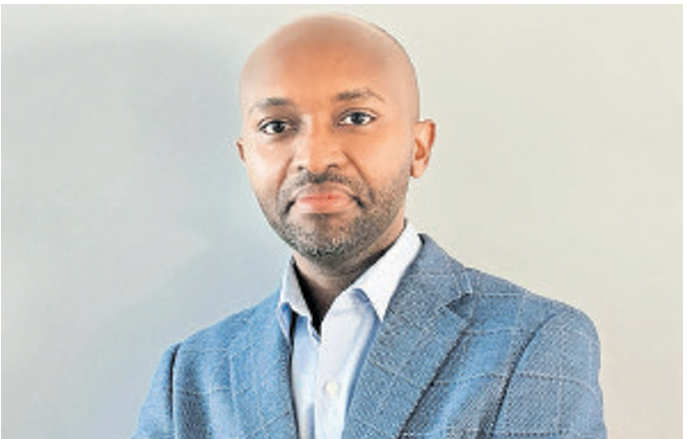
Mr Richard Jabel, Chief Executive Officer at Agent Banking, observes that most small businesses grapple with the basics of raising expansion capital.
“They need capital to expand their businesses,” he says, noting that where margins are already small, they are further compressed by high distribution costs.
As businesses grow, complexity sets in.
“When you are starting out as a micro and small business, in many cases you start as an individual or maybe a family. However, as you start growing and scaling, you start to require more specialised expertise,” Jabel explains.
He adds that the need for professionals such as accountants and distribution managers makes the transition from solopreneurship to structured business particularly challenging.
Growth also ushers in fresh compliance requirements. From taxation to regulation, increased visibility means governance frameworks become more demanding.
Access to Markets Needs Capital
Access to markets is another vital component of inclusive growth. According to Mr Rob Sanford, Chief Executive Officer at SafeBoda, expanding market access requires significant capital investment.
“There is need to incentivise local people to invest in small companies to allow them become more impactful players in the economy,” Sanford notes.
The Formalisation Dilemma
At the heart of Uganda’s MSME struggle lies the question of formalisation. Is it a gateway to growth—or a barrier?
For many entrepreneurs, registering with the Uganda Registration Services Bureau (URSB), the Uganda Revenue Authority (URA), and other statutory bodies is viewed as a necessary rite of passage. Yet the reality is more complex.
Currently, only about 39 percent of MSMEs are registered with URSB, while an even smaller proportion are registered with URA for tax purposes. For many entrepreneurs, the process is lengthy, digital-only, and costly in both time and money.
“As soon as an entrepreneur registers their company, they want to start employing people,” Sanford explains. “That comes with responsibilities such as Pay As You Earn (PAYE) and NSSF contributions, alongside income tax obligations.”
Formalisation also brings increased scrutiny. URA audits occur every few years, while informal competitors—unburdened by statutory obligations—continue operating with ease.
This imbalance leaves formal MSMEs shouldering higher costs, making them more vulnerable to failure.
“The question for entrepreneurs is whether you are happy to be paid more overall but have less profit, or be paid less but have meaningful profit,” Sanford argues.
He stresses that government must urgently strengthen the support framework, noting that formalised SMEs increase employment, tax revenues, guard against fraud, and improve consumer and employee safety—benefits more likely in a regulated economy than an informal one.
Tech and Talent Crunch
Another pressing challenge is the intersection of technology and human capital.
Sanford highlights that Uganda’s challenge is not a lack of ideas or demand, but people.
“Tech talent is both expensive and not easily available in Uganda,” he explains. “We are competing with global companies for talent, yet our revenues are entirely local.”
This disparity disadvantages Ugandan firms compared to multinational companies that can subsidise local operations from stronger foreign revenues.
Compounding the problem is low technology adoption. Although 35.5 percent of businesses have access to a smartphone, nearly 65 percent lack the technology needed to manage operations. Only 18 percent of MSMEs use digital platforms for sales.
The digital divide is most severe among rural businesses, women-owned MSMEs, and youth-led enterprises, further limiting productivity, customer engagement, and operational efficiency.
Emerging Opportunities
Despite these challenges, both Jabel and Sanford remain optimistic.
Sanford points to SafeBoda as an example of digital innovation. Initially a ride-hailing service, the company has expanded into deliveries and digital financial services, while supporting entrepreneurs through partnerships.
“We have partnered with insurance companies, credit financiers, and asset financiers who use our data,” Sanford explains. “For example, Fido Credit uses SafeBoda data to assess drivers’ earnings, lowering risk and reducing interest rates.”
SafeBoda has also partnered with Turaco Insurance to support its ecosystem.
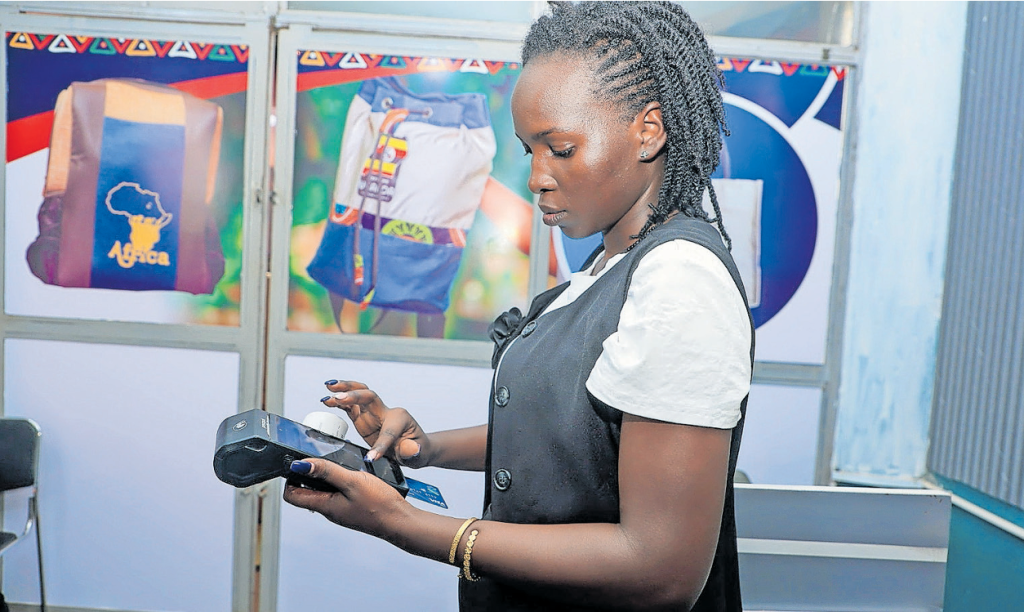
Jabel highlights that MSMEs are increasingly using online payment platforms to pay bills, taxes, salaries, and suppliers without leaving their premises.
“This ensures secure and instant payments while saving time across the ecosystem,” he says.
Looking ahead, Agent Banking is developing an MSME digitisation platform that integrates banking, payments, and pre-qualified credit into one digital suite.
He believes digitisation, artificial intelligence, machine learning, and robotics will unlock new possibilities for data-driven credit scoring, based on real business behaviour rather than paperwork.
Another promising frontier is digital identity.
“Instead of submitting paperwork at every bank, a digital identity would allow businesses to be recognised across financial institutions, making services more secure and easier to access,” Jabel says.
The Way Forward
Uganda’s MSMEs are the backbone of the economy, carrying both the promise of growth and the burden of persistent challenges.
Unlocking their full potential will require deliberate action—simplifying compliance, easing access to affordable credit, and investing in digital infrastructure and human capital.
But beyond policies and systems, it is the determination of Uganda’s entrepreneurs that will ultimately drive transformation.
When MSMEs thrive, jobs are created, families are lifted, and innovation takes root.
Supporting them is therefore not just an economic priority—it is a shared responsibility and a path toward a more inclusive future.

Responses